
Skip to content
IVF Treatment
IVF

IVF Treatment

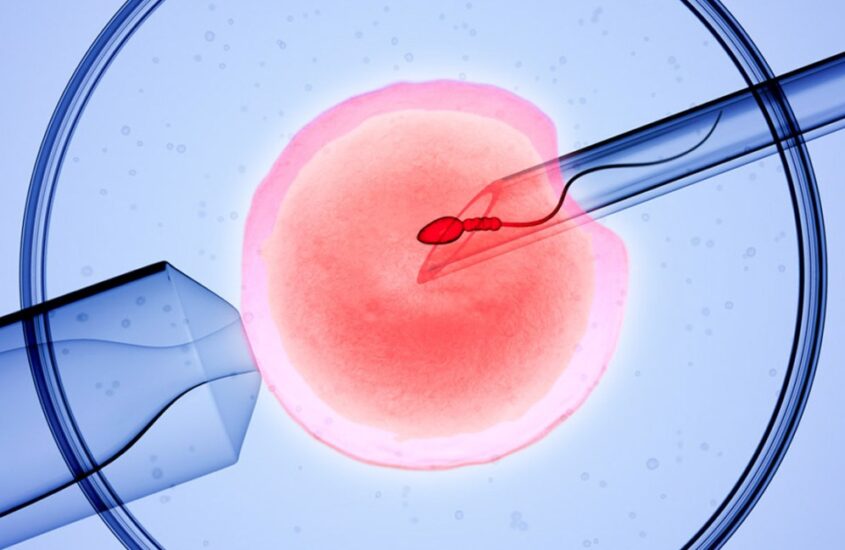
IVF treatment is a medical procedure for couples experiencing infertility. The treatment method used by couples who want to have a child in case of infertility is called in vitro fertilization treatment. Infertility affects approximately 15-20 individuals per 100 in society.

Treatment Process

The treatment process involves several key stages: initial patient-physician consultation and health history review, ovarian stimulation using injectable medications over approximately 10 days, egg collection via ultrasound-guided needle aspiration, fertilization in a laboratory setting, embryo development and culture, and finally embryo transfer into the uterus 2-5 days after fertilization.

Success Rates

Success rates vary significantly by age. Success is reported at 60% for patients under 30, declining to 40% around age 35, and 15% for those over 40 in single attempts. However, cumulative success reaches approximately 90% by the fourth treatment cycle.

Post-Transfer Care

Post-transfer care requires strict adherence to prescribed hormone medications and vitamins. Patients must avoid sexual intercourse until physician clearance and abstain from alcohol and smoking. A blood pregnancy test is performed 12 days after embryo transfer.

Potential complications, IVF failure factors, and the possibility of multiple pregnancies due to transferring multiple embryos should be discussed with your physician.

Continue Your IVF Journey

If good-quality embryos remain after your fresh transfer, they can be preserved for future use via Embryo Freezing and transferred in a gentler subsequent cycle with our Frozen Embryo Transfer (FET) service.

Explore More

IVF

Sperm Freezing

Sperm freezing is a simple, reliable way to preserve male fertility before medical treatment, a planned IVF cycle, or for partners who travel.

Learn More

Frequently Asked Questions

Common Questions

IVF is recommended for women with blocked or damaged fallopian tubes, severe endometriosis affecting fertility, ovulatory disorders not responding to simpler treatments, or unexplained infertility. It is also used for male factor infertility and for genetic screening (PGT) purposes.

A full cycle from start of stimulation to embryo transfer takes approximately 4u20136 weeks. Ovarian stimulation runs for 10u201314 days, followed by egg retrieval, 5u20136 days of embryo culture, and fresh or frozen transfer. A pregnancy test is performed 12u201314 days after transfer.

Success rates depend primarily on age. Under 35, live birth rates per cycle are typically 40u201350%. Over 40, rates fall to 15u201325%. Your individual chance is estimated based on ovarian reserve, egg quality, and clinical history during consultation.

Single embryo transfer (SET) is our standard approach, which minimises multiple pregnancy risk while maintaining high success rates. Twin pregnancy risk with SET is less than 2%. The number of embryos transferred is discussed based on age, embryo quality, and patient preference.

High-quality surplus embryos are vitrified (frozen) for future use. Frozen embryo transfer (FET) allows additional chances of pregnancy without repeating the full stimulation process, significantly improving the overall success rate of each egg collection cycle.

Book Your Appointment Today

We provide a comfortable environment where you can consult us with all your problems in the field of Obstetrics, Gynecology and IVF Treatment.

Book Now Chat on WhatsApp