
Skip to content
Micro TESE
IVF

Micro TESE

Male infertility affects approximately half of infertile couples. When men have azoospermia (absent sperm) or other conditions preventing natural conception, sperm retrieval from testicular tissue becomes necessary for assisted reproductive procedures like ICSI (intracytoplasmic sperm injection).

Testicular Biopsy

Testicular biopsy helps determine whether sperm production is impaired or if a blockage prevents sperm from appearing in semen analysis. The TESE (Testicular Sperm Extraction) method involves obtaining small tissue samples from multiple testicular locations to identify sperm-producing areas.

Micro TESE Procedure

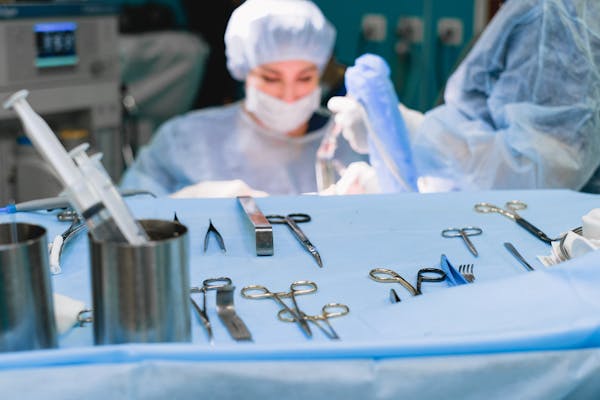
Micro TESE represents an advanced variation performed under microscopic visualization. Rather than blind sampling, the surgeon examines testicular tissue directly under magnification and extracts samples from regions showing sperm production activity. This targeted approach reduces tissue damage while improving sperm recovery rates.

Success Rates

Success rates for Micro TESE range from 36-68% in cases involving impaired sperm production rather than obstruction. The procedure requires opening the testicular sheath, collecting tissue samples under microscopic guidance, and carefully closing the incision with sutures.

This technique minimizes vascular injury compared to conventional TESE and assists embryologists in identifying viable sperm from smaller tissue specimens.

Explore More

IVF

Egg Freezing

Egg freezing allows women to preserve their fertility at the optimal time, providing future reproductive options with their own eggs.

Learn More
IVF

PGT-A / PGT-M / PGT-SR

PGT enables genetic screening of embryos before transfer, reducing the risk of miscarriage and inherited conditions while improving IVF success rates.

Learn More

Frequently Asked Questions

Common Questions

Micro-TESE (Microsurgical Testicular Sperm Extraction) is a microsurgical procedure that uses an operating microscope to identify and extract sperm-producing tubules directly from the testis. It is used when no sperm are present in the ejaculate (azoospermia) due to failure of sperm production.

Micro-TESE is performed for men with non-obstructive azoospermia (NOA) u2014 where sperm production is impaired or absent due to primary testicular failure, genetic factors, or hormonal causes. It is not needed when azoospermia is caused by a blockage (obstructive azoospermia), which is addressed by simpler techniques.

Sperm retrieval rates with Micro-TESE range from 40u201360% in non-obstructive azoospermia u2014 significantly higher than conventional testicular biopsy (20u201330%) u2014 because microscopic magnification identifies the most active sperm-producing areas that are otherwise invisible.

Yes. Sperm retrieved during Micro-TESE can be cryopreserved (frozen) for use in multiple ICSI cycles without repeating the procedure. If no sperm are found, the option of donor sperm for ICSI is discussed as an alternative path to parenthood.

Micro-TESE is performed under general anaesthesia as a day procedure. Mild discomfort and swelling resolve within 1u20132 weeks. Strenuous activity is avoided for 2u20134 weeks. A follow-up appointment confirms healing and discusses next steps based on the retrieval result.

Book Your Appointment Today

We provide a comfortable environment where you can consult us with all your problems in the field of Obstetrics, Gynecology and IVF Treatment.

Book Now Chat on WhatsApp