
Skip to content
Contraception Services
Gynecology

Contraception Services

Contraception comes in many different forms that vary according to how they are used and how effectively they can prevent pregnancy.

As well as protecting you against pregnancy, some kinds of contraceptive can also help to relieve menstrual symptoms such as period pain. Making the right choice of contraception is very important. Our specialists can provide contraception advice to help you to identify the best option for you.

Which Type of Contraception is Right for You?

The best contraception for you will depend on many factors, including your lifestyle, your menstrual cycle, any health problems or risk factors that could prevent you from using certain forms of contraception, such as being overweight or having migraines, and your personal preferences about how you use your contraception.

Types of Contraception

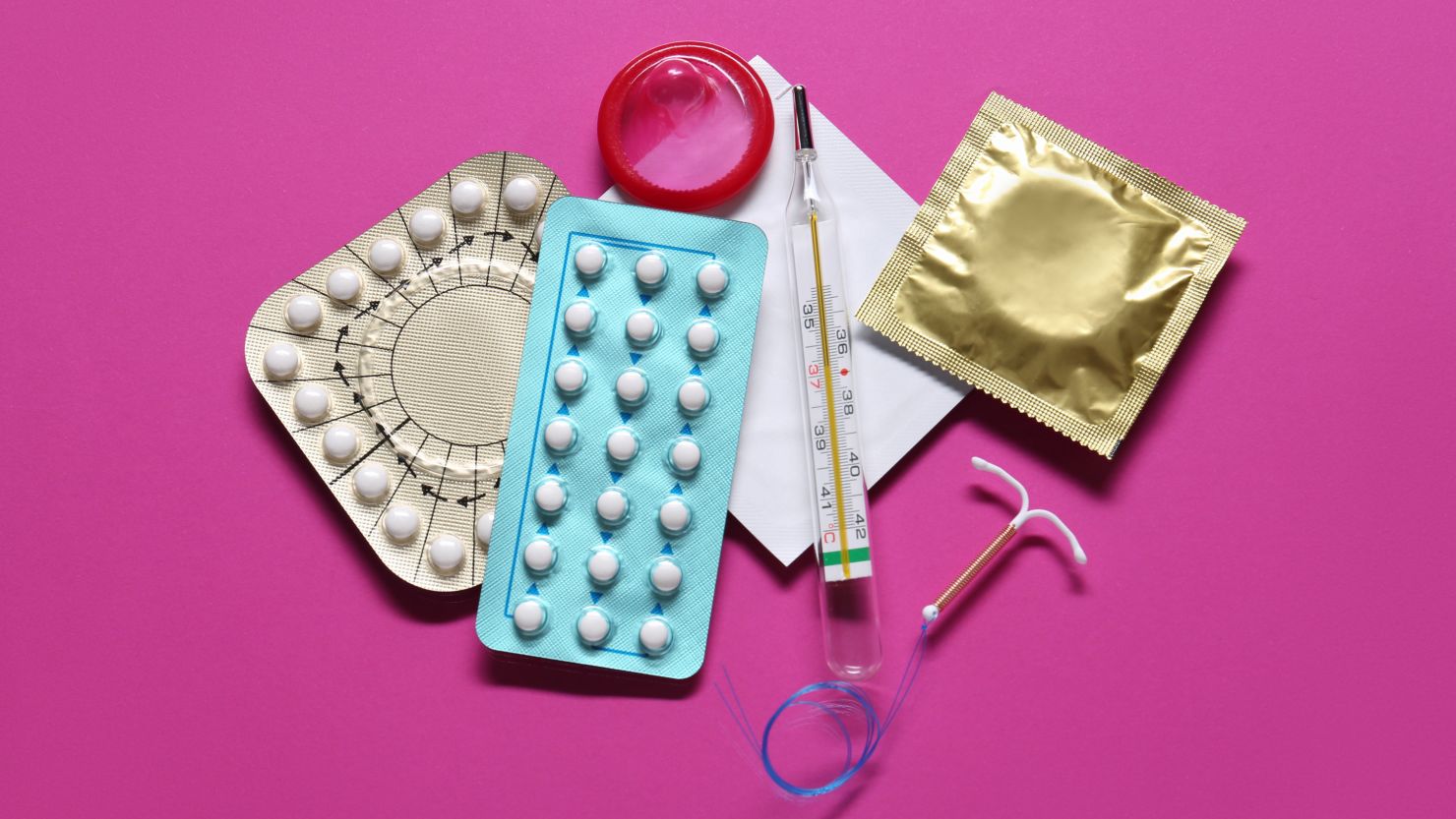
Many different forms of contraception are available, each of which have their own advantages and disadvantages. The main types include condoms (the only option that can also protect against STIs but must be used correctly every time), a diaphragm (fitted before sex), the combined contraceptive pill and mini pill (taken every day), and contraceptive coils or implants (providing long term protection with no need to take a pill).

Getting Contraception Advice

Our specialists explain different contraception types available and advise on which options will be the best match for you. They ensure you understand any side effects or risks associated with your contraception, the chances of getting pregnant while using it, and how to use your contraception properly.

Once you have selected your new contraceptive, you can return for more advice if you experience any problems. Experienced specialists can fit contraceptive implants for you.

Explore More

Gynecology

Private PCOS Specialist Treatment

Polycystic ovary syndrome (PCOS) occurs when fluid-filled sacs form in the ovaries due to follicles failing to develop properly. The exact causes remain unclear but are often linked to elevated male hormone levels.

Learn More
Gynecology

HPV Test & HPV Vaccination

Human papillomavirus (HPV) comprises a group of 100 related viruses or more. Approximately 40 sexually transmitted varieties spread through genital contact.

Learn More
Gynecology

Post Menopausal Bleeding

Bleeding after the menopause is common, but it should always be investigated by a doctor. Although many cases involve minor causes, serious conditions requiring treatment remain possible.

Learn More

Frequently Asked Questions

Common Questions

Long-acting reversible methods u2014 the hormonal coil (IUS), copper coil (IUD), and implant u2014 offer over 99% effectiveness and require no daily action. Contraceptive pills are around 91u201399% effective with correct use. Your gynaecologist can help identify the best option for your circumstances.

Key considerations include your lifestyle, menstrual cycle patterns, existing health conditions or risk factors (such as migraine with aura or smoking), plans for future pregnancy, and personal preference regarding daily versus long-term methods.

Yes. The hormonal coil and combined pill are both well established for reducing menstrual pain and lightening heavy periods. These benefits can be discussed as part of your consultation.

Fertility returns quickly after stopping most methods. With the pill, fertility typically resumes within 1u20133 months. With the coil or implant, fertility usually returns within the first cycle after removal.

Yes. A consultation at our clinic covers your health history, discussion of options, and same-day fitting if you choose a coil or implant, making the process as straightforward as possible.

Book Your Appointment Today

We provide a comfortable environment where you can consult us with all your problems in the field of Obstetrics, Gynecology and IVF Treatment.

Book Now Chat on WhatsApp