
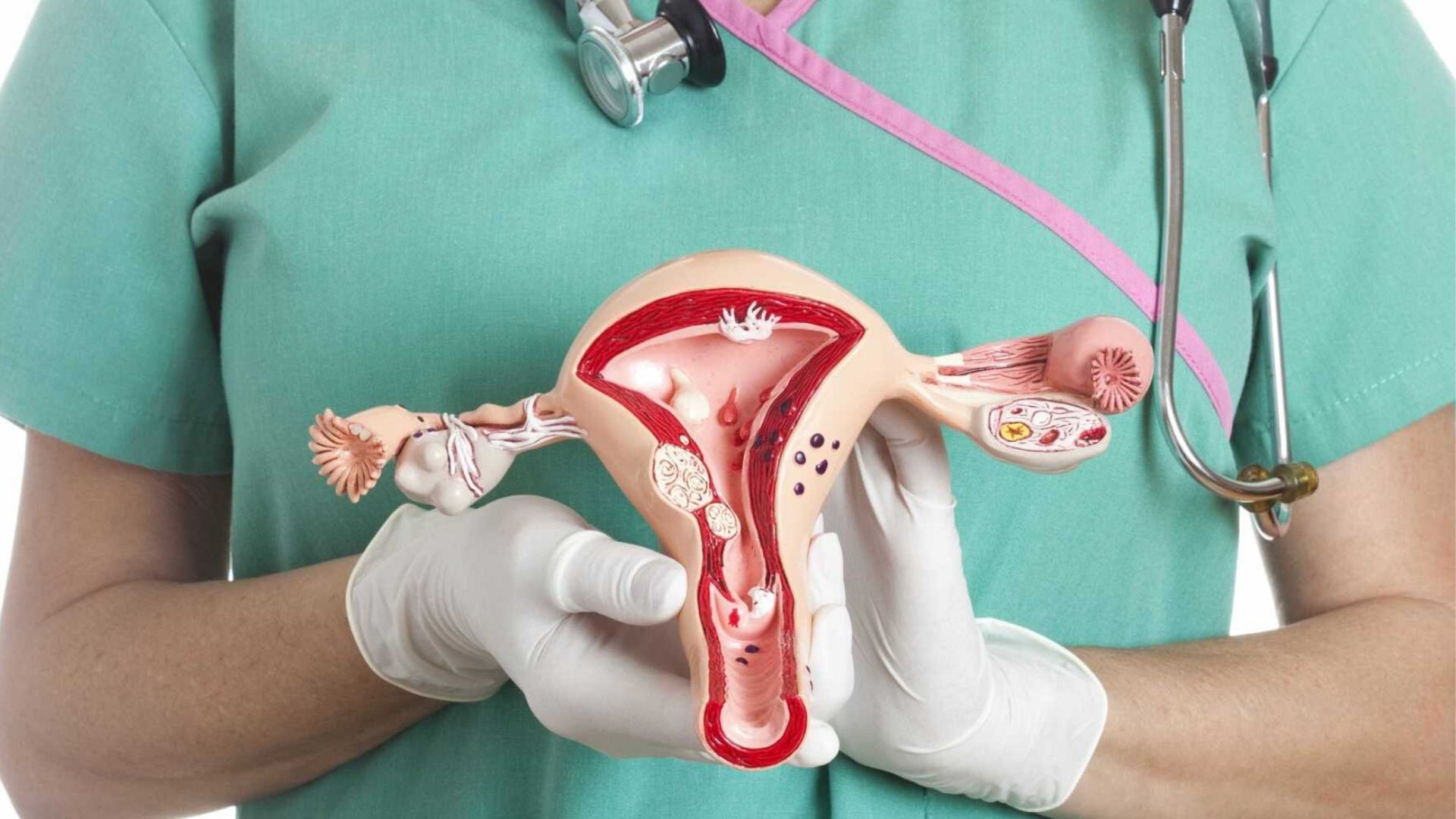
A hysteroscopy is a procedure that uses a special camera to examine your uterus. The procedure typically requires less than thirty minutes and may be slightly uncomfortable but produces diagnostic results to guide treatment decisions.
Reasons for the Procedure
Medical professionals recommend this investigation if patients experience heavy periods, pelvic pain, or unusual bleeding. It helps confirm diagnoses like fibroids or polyps, enables removal of growths, and can locate displaced contraceptive devices.
What to Expect
During the examination, a speculum holds the vagina open while a small flexible tube with a camera (hysteroscope) is inserted. A small amount of fluid will then be pumped through the hysteroscope tube to fill your uterus so doctors can visualize the lining clearly. The procedure may include tissue sampling or removal of abnormal growths.
Aftercare
Most patients resume normal activities immediately without anesthesia. However, mild side effects may occur, including faintness, cramping, or bleeding lasting up to a week. Patients should avoid sexual activity for at least seven days to prevent infection.
Specialists explain all risks beforehand and provide results explanation with recommendations for additional treatment if needed.