
Skip to content
Prolapse
Gynecology

Prolapse

Vaginal prolapse is a very common condition, particularly in women who have given birth. Approximately half of all mothers will experience some degree of pelvic organ prolapse. Although treatment isn’t always required, it is important to see a gynaecologist if you suspect that you have a vaginal prolapse or you’re experiencing any discomfort.

What Causes Prolapse?

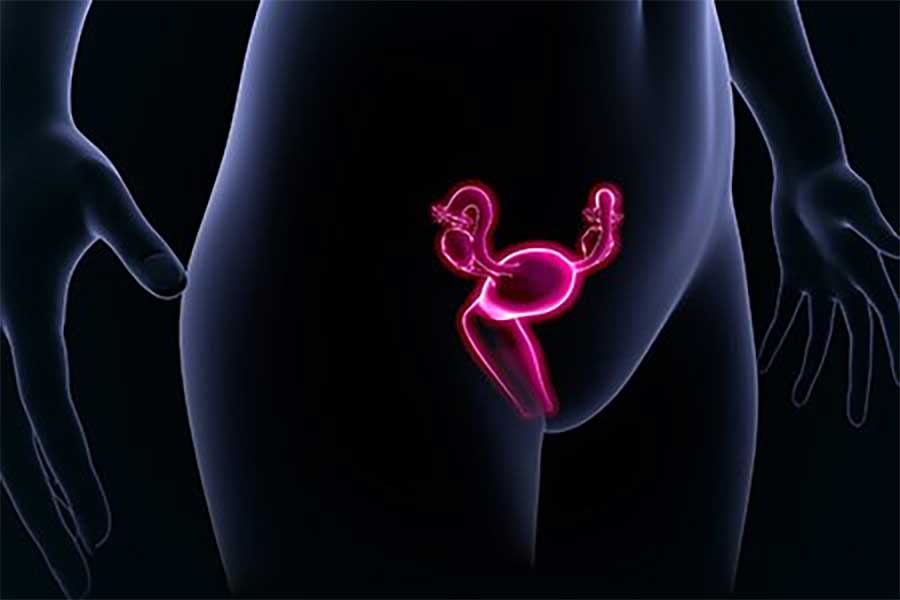
A prolapse occurs when the tissue supporting your pelvic organs becomes too weak. The organs can then shift out of place and drop down into your vagina. In severe cases, a bulge created by these organs can be seen outside the body. Prolapse can affect the bladder, uterus, cervix and bowels.

Risk factors include advanced age, childbirth history, being overweight, having fibroids or pelvic cysts, prior pelvic surgery such as hysterectomy, chronic straining from manual labor or constipation, and tissue weakening conditions like joint hypermobility.

Symptoms

Symptoms may include feeling something descending into the vagina, visible bulging, a lump in or around the vagina, sexual discomfort, and urinary problems such as frequency changes or leakage. However, some prolapses produce no noticeable symptoms and are discovered only during routine gynecological examination.

Diagnosis

Diagnosis typically involves a simple gynecological exam where a doctor assesses symptoms and performs an internal pelvic examination to check for lumps or bulges.

Treatment Options

Treatment options include a vaginal pessary device to support the prolapsed organ, surgical intervention, hysterectomy for prolapsed uterus, and lifestyle modifications including weight loss, high-fiber diet, avoiding heavy lifting, and pelvic floor exercises.

Explore More

Gynecology

Gynecological Examination

Having a gynecological examination is a vital aspect of women's health maintenance. Regular checkups enable healthcare providers to identify and address potential health concerns promptly.

Learn More
Gynecology

Menopause Specialist

Menopause is a natural biological transition, defined as when menstrual periods stop permanently. It typically occurs between ages 49-52.

Learn More
Gynecology

Abortion

Abortion is a term used to describe the removal of tissues from inside the uterus. While commonly understood as pregnancy termination, it serves multiple medical purposes.

Learn More

Frequently Asked Questions

Common Questions

The most common sensation is a feeling of heaviness, pressure, or 'something coming down' in the vaginal area u2014 which may worsen towards the end of the day or with prolonged standing. Some women notice a visible bulge. Urinary, bowel, or sexual symptoms may also occur.

Childbirth (particularly vaginal deliveries and large babies) is the most common cause, weakening pelvic floor muscles and ligaments. Menopause (reduced oestrogen), chronic constipation, heavy lifting, and obesity are also contributing factors.

Yes. Pelvic floor physiotherapy, pelvic floor exercises (Kegel exercises), and vaginal pessaries (supportive devices) are effective for mild to moderate prolapse. Surgery is offered when conservative management is insufficient or when the patient prefers definitive treatment.

Options include anterior and posterior vaginal wall repair, sacrospinous ligament fixation, and laparoscopic sacrocolpopexy (using a mesh to restore the vaginal vault). The choice depends on the type and severity of prolapse, patient age, and fertility plans.

Surgical success rates are high u2014 around 80u201390% long-term cure for most procedures. Recurrence risk is minimised by treating contributing factors (constipation, weight, pelvic floor strengthening) and choosing the most appropriate surgical approach for each patient.

Book Your Appointment Today

We provide a comfortable environment where you can consult us with all your problems in the field of Obstetrics, Gynecology and IVF Treatment.

Book Now Chat on WhatsApp