
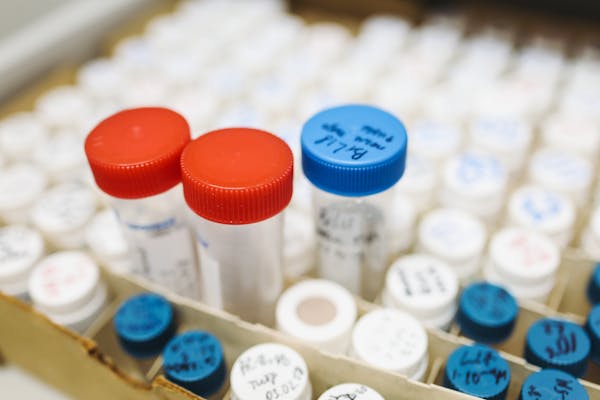
Preimplantation Genetic Testing (PGT) is a laboratory technique performed on IVF embryos before uterine transfer, screening for chromosomal abnormalities or specific genetic conditions.
PGT-A — Aneuploidy Testing
Screens all 24 chromosomes for numerical abnormalities. Chromosomal aneuploidy is the most common cause of IVF failure and early miscarriage. Selecting euploid embryos significantly improves implantation rates and reduces pregnancy loss.
PGT-M — Monogenic Disorders
For couples carrying a known genetic mutation (cystic fibrosis, sickle cell disease, BRCA mutations, etc.). PGT-M tests embryos specifically for that mutation, enabling transfer of unaffected embryos.
PGT-SR — Structural Rearrangements
For carriers of chromosomal structural rearrangements such as translocations. Identifies embryos with balanced or normal chromosomal structure.
Who Should Consider PGT?
Women aged 35+, couples with recurrent miscarriage history, carriers of genetic mutations, patients with repeated IVF failure, and those with a family history of chromosomal conditions.
The Process
On day 5–6 (blastocyst stage), cells are biopsied from the embryo’s outer layer. The embryo is frozen while results are awaited. Suitable embryos are transferred in a subsequent FET cycle.
To discuss PGT, book a consultation with Assist. Prof. Dr. Muzaffer Uçarer at UCARER Women’s Health.