
Skip to content
Endometriosis Treatment
Gynecology

Endometriosis Treatment

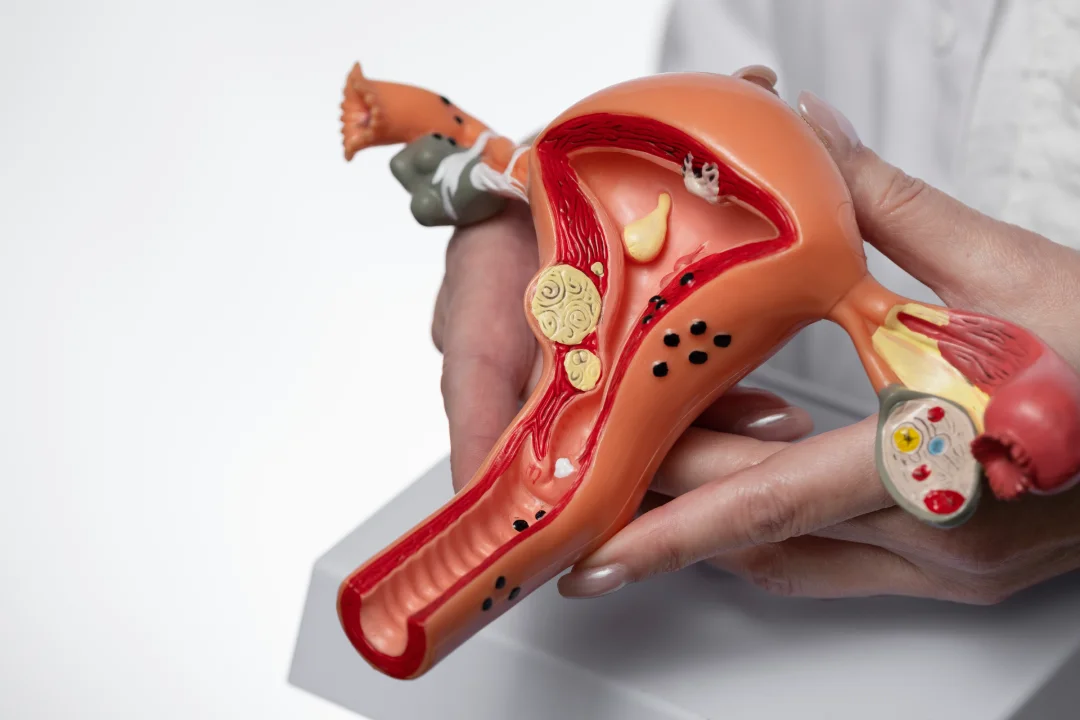
Endometriosis occurs when tissue resembling the uterine lining grows outside the womb. This condition can develop in the bowel, bladder, ovaries, and pelvic regions, though the exact causes remain unclear. Healthcare professionals suggest potential links to immune system dysfunction, cellular migration during menstruation, or genetic factors.

Symptoms vary significantly among patients depending on affected areas. Common manifestations include severe menstrual discomfort unresponsive to standard pain relief, pelvic pain outside menstrual periods, excessive bleeding, sexual discomfort, digestive issues, and unexplained fatigue. Recognition proves challenging since symptoms fluctuate throughout menstrual cycles and overlap with other gynecological conditions.

Diagnosis typically involves specialist consultation, gynecological examination, and laparoscopic investigation using specialized cameras to locate endometrial tissue deposits. Treatment options range from pain management medications and hormonal contraceptives to surgical intervention for removing affected tissue or reproductive structures, depending on individual circumstances and fertility goals.

Seeking professional evaluation is essential, as untreated endometriosis can cause significant complications affecting quality of life, organ function, and reproductive capacity. Specialists provide comprehensive assessment and personalized treatment recommendations to manage symptoms and address fertility concerns.

Explore More

Gynecology

Women Coil Insertion

The contraceptive coil is one of the most reliable long-term contraception options, offering over 99% effectiveness with no daily management required.

Learn More
Gynecology

Cryo Procedure

Cryotherapy is a straightforward treatment that employs freezing temperatures to eliminate abnormal cells from the cervix.

Learn More

Frequently Asked Questions

Common Questions

Common symptoms include severe period pain, pelvic pain throughout the cycle, pain during or after sexual intercourse, heavy periods, and difficulty conceiving. Symptoms vary widely u2014 some women with significant endometriosis have minimal pain.

Diagnosis is confirmed by laparoscopy (keyhole surgery to visualise the pelvis directly). Ultrasound and MRI can identify ovarian cysts (endometriomas) and deep disease but cannot rule out endometriosis entirely.

Treatment depends on symptoms, severity, and fertility plans. Options include hormonal medications (pill, progestogen, GnRH analogues) to suppress the condition, and surgical removal of endometriosis deposits laparoscopically. Both approaches can be effective.

Endometriosis can reduce fertility, particularly when ovaries or fallopian tubes are involved. However, many women with endometriosis conceive naturally. When needed, IVF is highly effective u2014 and treating endometriosis surgically before IVF can improve outcomes.

Endometriosis cannot currently be cured, but it can be effectively managed. Surgical removal significantly reduces symptoms and disease burden. Hormonal treatment suppresses activity. A long-term management plan tailored to your stage of life is the key approach.

Book Your Appointment Today

We provide a comfortable environment where you can consult us with all your problems in the field of Obstetrics, Gynecology and IVF Treatment.

Book Now Chat on WhatsApp