
Assisted Hatching
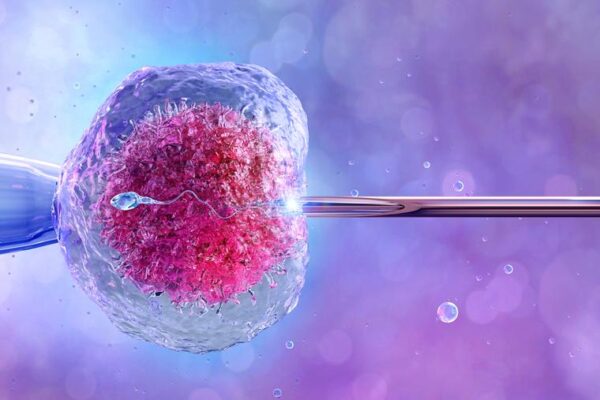
Assisted hatching opens the embryo's outer shell to support implantation, recommended in selected IVF cases.
Read More
1 min read
Assisted hatching opens the embryo's outer shell to support implantation, recommended in selected IVF cases.
This article examines why ovaries produce fewer eggs as women age. Getting pregnant becomes more difficult after age 39-40 and...
It is not always possible to obtain successful results in IVF trials. The most important factor when evaluating IVF success...
Egg freezing allows women to preserve their fertility at the optimal time, providing future reproductive options with their own eggs.
Embryo freezing allows couples to preserve good-quality embryos for future transfers, increasing overall IVF success rates while reducing physical and...
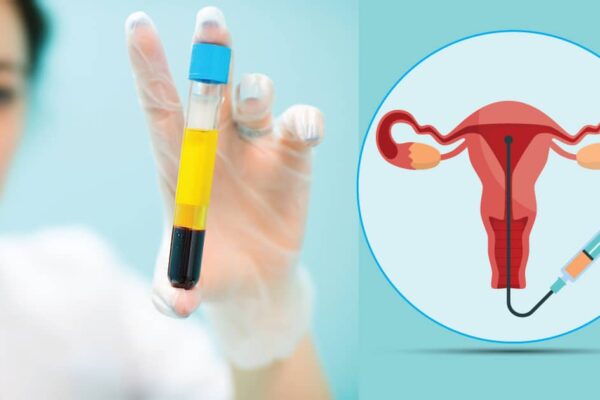
Endometrial PRP uses your own platelet-rich plasma to improve a thin or unresponsive uterine lining before embryo transfer.
EndomeTRIO combines ERA, EMMA and ALICE tests in a single biopsy to reveal why an embryo may not implant.
The ERA test identifies the precise window in your cycle when your uterus is most receptive to embryo implantation.
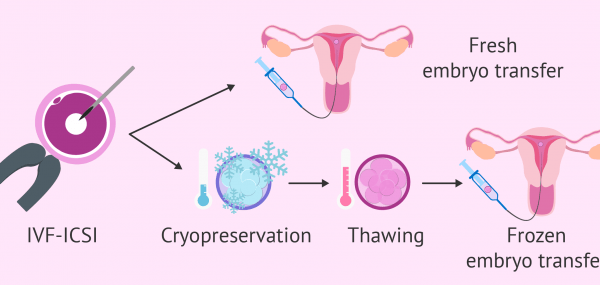
Frozen Embryo Transfer allows previously cryopreserved embryos to be transferred in a subsequent cycle, offering a gentler, cost-effective route to...
IVM (In Vitro Maturation) is a fertility treatment alternative where immature eggs are collected with minimal or no hormone stimulation,...
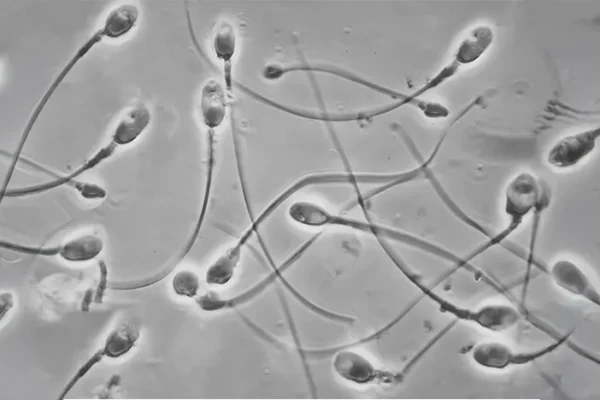
IMSI and PICSI are advanced sperm-selection techniques used in IVF when sperm quality, morphology or DNA fragmentation is a concern.
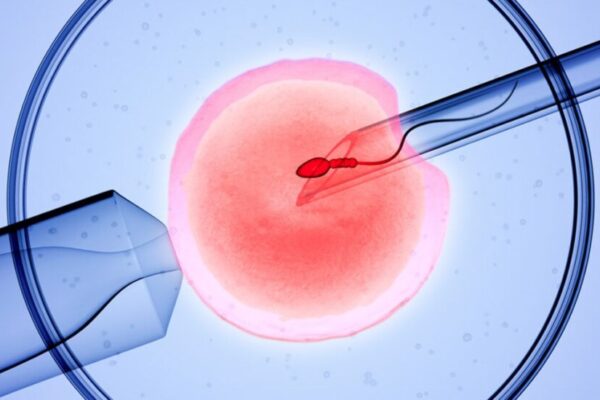
IVF treatment is a medical procedure for couples experiencing infertility. Infertility affects approximately 15-20 individuals per 100 in society.