
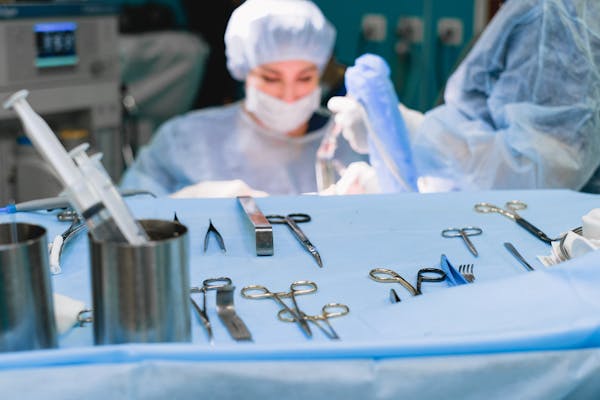
Male infertility affects approximately half of infertile couples. When men have azoospermia (absent sperm) or other conditions preventing natural conception, sperm retrieval from testicular tissue becomes necessary for assisted reproductive procedures like ICSI (intracytoplasmic sperm injection).
Testicular Biopsy
Testicular biopsy helps determine whether sperm production is impaired or if a blockage prevents sperm from appearing in semen analysis. The TESE (Testicular Sperm Extraction) method involves obtaining small tissue samples from multiple testicular locations to identify sperm-producing areas.
Micro TESE Procedure
Micro TESE represents an advanced variation performed under microscopic visualization. Rather than blind sampling, the surgeon examines testicular tissue directly under magnification and extracts samples from regions showing sperm production activity. This targeted approach reduces tissue damage while improving sperm recovery rates.
Success Rates
Success rates for Micro TESE range from 36-68% in cases involving impaired sperm production rather than obstruction. The procedure requires opening the testicular sheath, collecting tissue samples under microscopic guidance, and carefully closing the incision with sutures.
This technique minimizes vascular injury compared to conventional TESE and assists embryologists in identifying viable sperm from smaller tissue specimens.