
Skip to content
Dyskaryosis - Abnormal Smear Test & Treatment
Gynecology

Dyskaryosis – Abnormal Smear Test & Treatment

Cervical screening represents a crucial component of gynecological health management. This screening procedure can identify cellular abnormalities that might progress into cervical cancer. While most women receive normal results, approximately 1 in 20 will have abnormal findings.

Who Should Have a Cervical Smear?

All women between ages 25 and 65 should undergo regular cervical screening. The test detects abnormal cells that could develop into cervical cancer, allowing for early removal before complications arise.

What to Expect

During the procedure, patients remove lower clothing and lie down. A speculum holds the vagina open while a specially designed brush collects cells from the cervix. The five-minute procedure is painless, though mild discomfort may occur.

Test Results

Results fall into three categories: Normal (no abnormal cells), Inadequate (inconclusive results requiring retesting), or Abnormal (precancerous cells detected with borderline, moderate, or severe classifications).

Next Steps

Abnormal results may lead to HPV testing, colposcopy to confirm abnormal cells, or additional procedures to remove affected tissue. More frequent screening may be recommended for future monitoring.

Explore More

Gynecology

Pelvic and Vaginal Pain Treatment

Pelvic pain represents a frequent gynecological symptom with multiple potential underlying causes. The medical team specializes in identifying and treating conditions responsible for this discomfort.

Learn More
Gynecology

Endometriosis Treatment

Endometriosis occurs when tissue resembling the uterine lining grows outside the womb. This condition can develop in the bowel, bladder, ovaries, and pelvic regions.

Learn More
Gynecology

Cryo Procedure

Cryotherapy is a straightforward treatment that employs freezing temperatures to eliminate abnormal cells from the cervix.

Learn More

Frequently Asked Questions

Common Questions

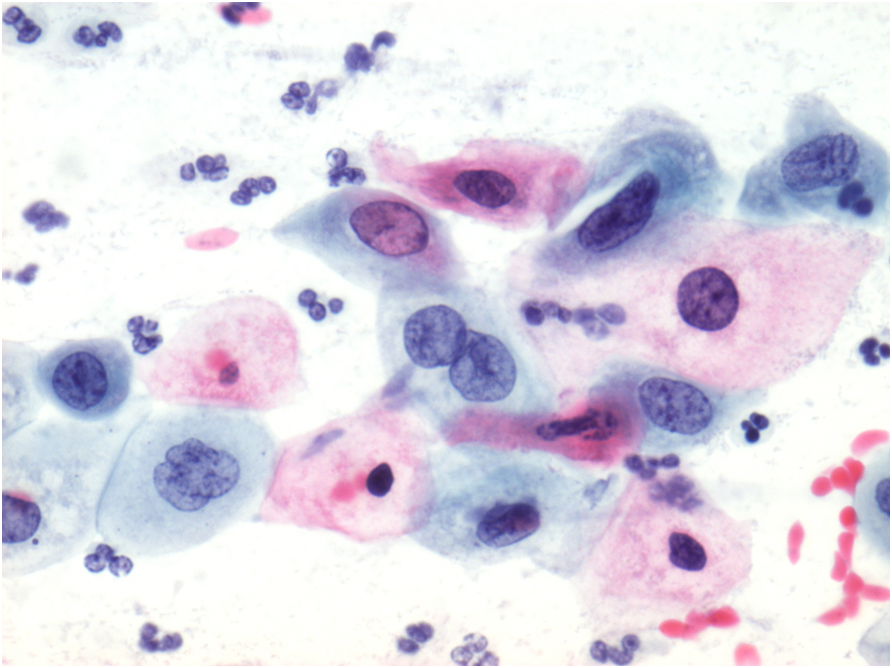
An abnormal smear (dyskaryosis) means cervical cells show changes that differ from normal. It does not mean cancer u2014 most abnormal results reflect minor changes caused by HPV infection that resolve without treatment. The grade determines next steps.

Results are graded: borderline or low-grade changes usually need monitoring; moderate and high-grade dyskaryosis require colposcopy (a closer examination of the cervix) and possibly biopsy or treatment to prevent progression to cancer.

Colposcopy is a detailed examination of the cervix using a magnifying instrument (colposcope). A mild solution is applied to highlight any abnormal areas. It takes around 15u201320 minutes and is performed at our clinic.

LLETZ (loop excision) is the most common treatment u2014 a fine wire loop removes the abnormal area of the cervix under local anaesthetic. It is a short outpatient procedure with high success rates.

After treatment for high-grade changes, follow-up smears are recommended every 6 months for the first year, then annually for several years. Your gynaecologist will provide a personalised follow-up schedule.

Book Your Appointment Today

We provide a comfortable environment where you can consult us with all your problems in the field of Obstetrics, Gynecology and IVF Treatment.

Book Now Chat on WhatsApp