
Skip to content
Fibroids Diagnosis and Treatment
Gynecology

Fibroids Diagnosis and Treatment

What Are Fibroids?

Fibroids are small growths that can develop in and around the womb. They consist of fibrous tissue and muscle formations developing within or around the uterus. The condition appears connected to estrogen levels, with growths typically emerging between ages 30-50. Risk factors include being overweight or of African-Caribbean descent.

Symptoms

Individuals with substantial fibroid growth may encounter heavy or painful menstrual periods, abdominal discomfort, lower back pain, sexual discomfort, constipation, or frequent urination. Smaller growths often produce no noticeable effects.

Diagnostic Methods

The diagnostic approach involves symptom assessment, pelvic examination, ultrasound imaging to visualize uterine growths, and potentially hysteroscopy or laparoscopy procedures. These diagnostic tools help distinguish fibroids from other conditions.

Treatment Approaches

Management strategies range from observation to medication for symptom relief, medication to reduce fibroid size, and surgical removal when necessary. Treatment selection considers fertility implications, as fibroid location and dimensions may affect pregnancy outcomes.

Surgical Treatment Options

Medical management — Hormonal treatments to reduce fibroid size and control symptoms, typically as a pre-surgical measure or for patients not yet planning surgery.

Hysteroscopic removal — Minimally invasive removal of submucosal fibroids (those inside the uterine cavity) via the cervix, with no abdominal incisions and rapid recovery.

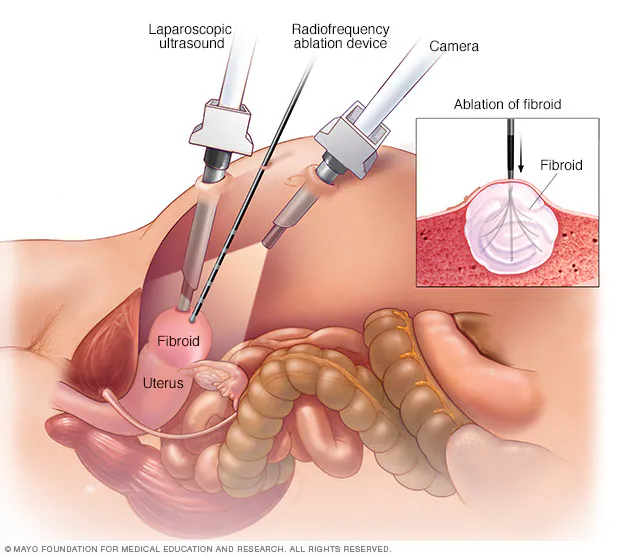
Laparoscopic or open myomectomy — Surgical removal of intramural or subserosal fibroids through keyhole or open abdominal approaches, preserving the uterus for future pregnancy.

Explore More

Gynecology

Women Coil Insertion

The contraceptive coil is one of the most reliable long-term contraception options, offering over 99% effectiveness with no daily management required.

Learn More
Gynecology

Post Menopausal Bleeding

Bleeding after the menopause is common, but it should always be investigated by a doctor. Although many cases involve minor causes, serious conditions requiring treatment remain possible.

Learn More

Frequently Asked Questions

Common Questions

Fibroids (myomas) are non-cancerous growths of the uterine muscle. They range from tiny to grapefruit-sized. Many women have fibroids without knowing; others experience heavy periods, pelvic pain, urinary frequency, or difficulty conceiving.

Not always. Small, symptom-free fibroids can be monitored. Treatment is recommended when fibroids cause significant bleeding, pain, pressure symptoms, or affect fertility. The approach depends on fibroid location, size, number, and your fertility plans.

Submucosal fibroids (inside the uterine cavity) most significantly reduce implantation rates and increase miscarriage risk. Intramural and subserosal fibroids have a more variable effect. Removal of fibroids distorting the cavity consistently improves IVF outcomes.

Myomectomy removes existing fibroids but does not prevent new ones from developing, as the underlying tendency remains. The recurrence rate is approximately 20u201330% over 10 years. For women who have completed their family, hysterectomy eliminates recurrence.

Yes. Laparoscopic myomectomy u2014 keyhole removal u2014 is suitable for most intramural and subserosal fibroids. It offers less scarring, a shorter hospital stay, and faster recovery than open surgery. Submucosal fibroids are removed hysteroscopically via the cervix.

Book Your Appointment Today

We provide a comfortable environment where you can consult us with all your problems in the field of Obstetrics, Gynecology and IVF Treatment.

Book Now Chat on WhatsApp