
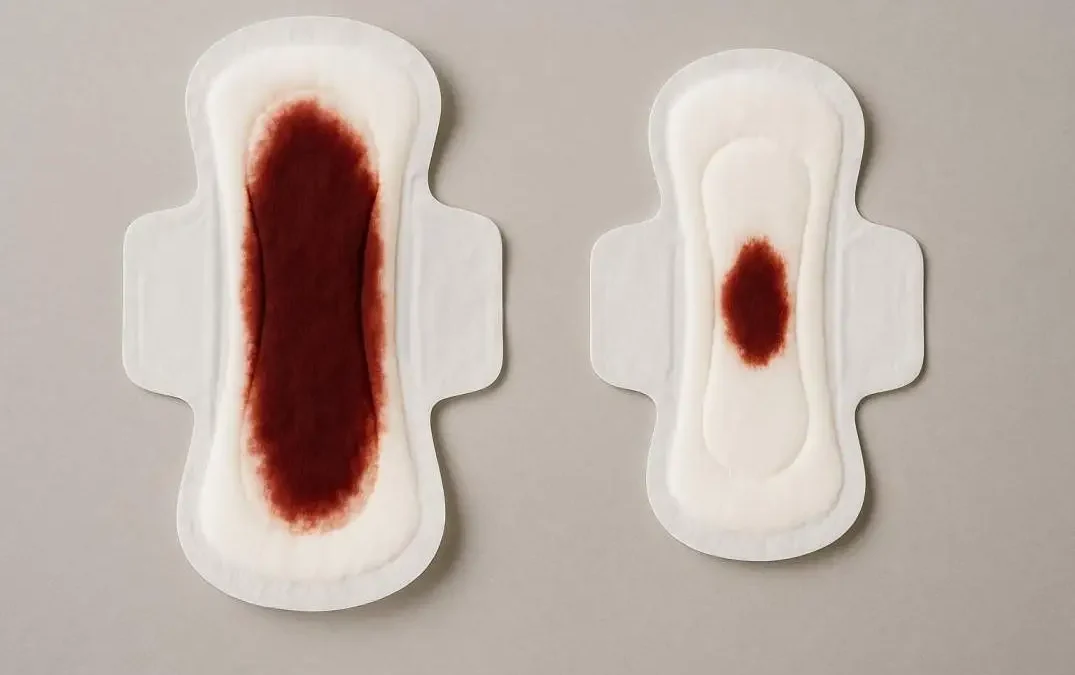
Heavy periods can significantly impact quality of life and may indicate an underlying condition requiring medical attention. Treatment can help to reduce blood loss and relieve other symptoms such as period pain. Menorrhagia accounts for approximately 30% of gynecological complaints.
Causes
Heavy periods can result from various gynecological conditions including uterine fibroids, endometriosis, polycystic ovaries, perimenopausal changes, dysfunctional uterine bleeding, polyps, pelvic infections, and in some cases, endometrial hyperplasia or cancer.
Symptoms
Signs include excessive tampon or pad usage, frequent leakage despite protection, needing dual protection simultaneously, and fatigue during menstruation. The average woman loses about 30 milliliters monthly; heavy periods involve losing more than double this amount.
Diagnosis
Diagnosis typically begins with symptom assessment and pelvic examination, followed by additional testing such as ultrasound imaging, gynecological swabs, hysteroscopy, and endometrial sampling to identify underlying causes.
Treatment Options
Treatment approaches include contraceptive pills, iron supplementation for anemia, Mirena IUCD devices, hysteroscopy, and surgical interventions. The clinic emphasizes individualized treatment planning based on patient circumstances and fertility considerations.