
Skip to content
HPV Test & HPV Vaccination
Gynecology

HPV Test & HPV Vaccination

What is Human Papillomavirus?

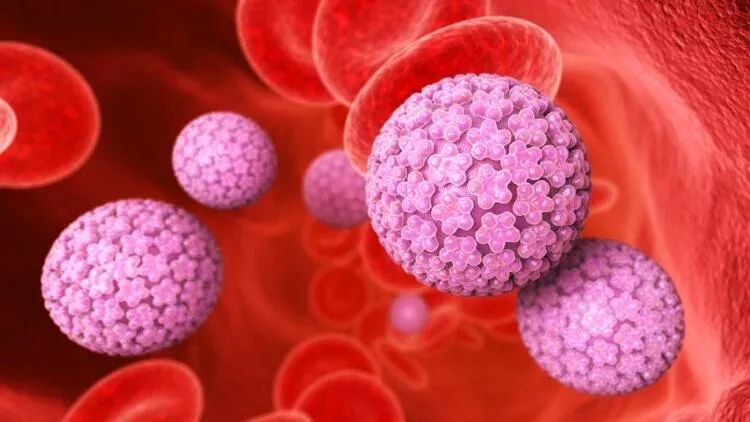
Human papillomavirus (HPV) comprises a group of 100 related viruses or more. Approximately 40 sexually transmitted varieties spread through genital contact, skin, and mucous membrane exposure during sexual activity.

Transmission

About half of sexually active individuals contract HPV. The virus affects both genders, with higher risk for those with multiple partners or early sexual activity. Many infected persons remain asymptomatic while transmitting the virus unknowingly.

Health Risks

Certain HPV types elevate cancer risk in cervical, vaginal, and anal tissues. Other strains produce genital warts — small pink, red, or flesh-colored growths on or near genitals that transmit easily through sexual contact.

Prevention Methods

  • Vaccination: Available for ages 11-12, with catch-up options through age 26
  • Safe practices: Condom use and limiting sexual partners
  • Vaccines available: Gardasil and Cervarix protect against cancer-causing HPV types and genital warts

The HPV vaccine is considered effective for reducing infection risk across populations. Preventive care and regular screening are essential components of HPV management.

Explore More

Gynecology

Colposcopy

A colposcopy is a procedure in which a special instrument examines the cervix. It is typically performed following abnormal smear test results.

Learn More
Gynecology

Gynecological Examination

Having a gynecological examination is a vital aspect of women's health maintenance. Regular checkups enable healthcare providers to identify and address potential health concerns promptly.

Learn More
Gynecology

Menopause Specialist

Menopause is a natural biological transition, defined as when menstrual periods stop permanently. It typically occurs between ages 49-52.

Learn More

Frequently Asked Questions

Common Questions

Human Papillomavirus (HPV) is the most common sexually transmitted infection u2014 most sexually active adults will be exposed at some point. Most infections clear naturally, but certain high-risk strains can cause cervical, vulvar, vaginal, and other cancers if untreated.

HPV testing is recommended as part of routine cervical screening from age 25u201330 (depending on guidelines) and is increasingly used in combination with or instead of traditional smear tests. It is particularly important after an abnormal smear result.

The HPV vaccine is most effective when given before first sexual exposure, ideally from age 9u201314. However, vaccination up to age 45 provides meaningful protection against strains not yet encountered. Both males and females benefit from vaccination.

The schedule depends on age and vaccine type. Under 15: two doses 6 months apart. Age 15 and above, or immunocompromised: three doses over 6 months. The current vaccines protect against 2, 4, or 9 HPV strains.

No. Vaccination reduces but does not eliminate cancer risk, as it does not cover all strains and does not protect against prior infection. Regular cervical smear tests remain essential even after vaccination.

Book Your Appointment Today

We provide a comfortable environment where you can consult us with all your problems in the field of Obstetrics, Gynecology and IVF Treatment.

Book Now Chat on WhatsApp