
Skip to content
Pelvic and Vaginal Pain Treatment
Gynecology

Pelvic and Vaginal Pain Treatment

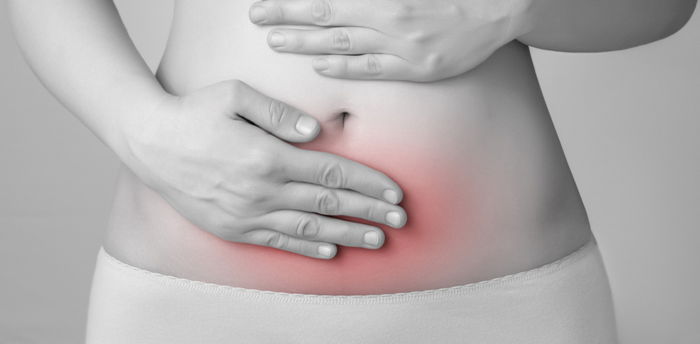
Pelvic pain represents a frequent gynecological symptom with multiple potential underlying causes. The medical team specializes in identifying and treating conditions responsible for this discomfort.

Common Causes

Common causes include burst ovarian cysts producing sudden onset pain, pelvic inflammatory disease from infections, endometriosis where uterine tissue develops outside the womb, uterine prolapse involving displacement of the womb, and fibroids — benign uterine growths. Additional causes may involve constipation, peritonitis, or appendicitis.

Symptoms

Pelvic pain manifests in the lower abdominal region, potentially developing suddenly or chronically, ranging from mild to severe intensity. Associated symptoms may include menstrual cycle irregularities, abnormal vaginal discharge, pain in the abdomen or lower back, and discomfort or bleeding during intercourse.

Diagnosis

Diagnosis involves symptom assessment, gynecological examination, and potentially colposcopy, hysteroscopy, or laparoscopy procedures to visualize reproductive structures.

Treatment

Treatment approaches vary based on underlying cause, including pain-relief medications, targeted therapies addressing root causes, hysteroscopy for tissue evaluation and growth removal, and surgical intervention for cyst, fibroid, or growth removal when necessary.

Explore More

Gynecology

Private PCOS Specialist Treatment

Polycystic ovary syndrome (PCOS) occurs when fluid-filled sacs form in the ovaries due to follicles failing to develop properly. The exact causes remain unclear but are often linked to elevated male hormone levels.

Learn More
Gynecology

Gynecological Examination

Having a gynecological examination is a vital aspect of women's health maintenance. Regular checkups enable healthcare providers to identify and address potential health concerns promptly.

Learn More
Gynecology

Well Women’s Check-Up

The clinic provides extensive women's health services through its well women's office, addressing reproductive health, screening, and general wellness.

Learn More

Frequently Asked Questions

Common Questions

Pelvic pain can arise from endometriosis, uterine fibroids, ovarian cysts, pelvic inflammatory disease, adenomyosis, interstitial cystitis, or musculoskeletal issues. Psychological factors can also contribute. Thorough investigation is essential for accurate diagnosis.

Dyspareunia (painful sex) can result from vaginal dryness (often perimenopausal), vaginismus, vulvodynia, endometriosis, pelvic floor dysfunction, or infections. Each has specific treatment and all are addressable u2014 this is a medical concern, not something to simply tolerate.

Investigation includes detailed history, pelvic examination, transvaginal ultrasound, hormonal and infection screening, and sometimes MRI. For suspected endometriosis, diagnostic laparoscopy may be recommended.

Vulvodynia is chronic unexplained vulvar pain lasting three months or more, without a clearly identifiable cause. It is a real, recognised condition u2014 not 'in your head.' It is managed with a combination of local treatments, pelvic floor physiotherapy, and sometimes medication.

Not always. Bowel conditions (IBS, constipation), musculoskeletal issues, urinary conditions, and psychological factors can all cause pelvic pain. A multidisciplinary approach u2014 sometimes involving physiotherapy and pain management u2014 gives the best outcomes.

Book Your Appointment Today

We provide a comfortable environment where you can consult us with all your problems in the field of Obstetrics, Gynecology and IVF Treatment.

Book Now Chat on WhatsApp