
Sexually transmitted diseases or STDs can have a significant impact on your health and fertility if left untreated. However, they can be easily identified through STD screening, and most can be treated with a simple course of antibiotics.
Why Arrange an STD Screening?
Getting screened for STDs is recommended for anyone who is sexually active. Many STDs can remain hidden without causing symptoms, making testing the only reliable way to confirm your health status. Untreated STDs can cause serious problems, including infertility, though most sexually transmitted infections can be easily treated once detected.
You might want to arrange STD screening if you are sexually active (especially with unprotected sex), have noticed potential STD symptoms, are planning pregnancy, or are undergoing procedures like contraceptive coil insertion.
What to Expect
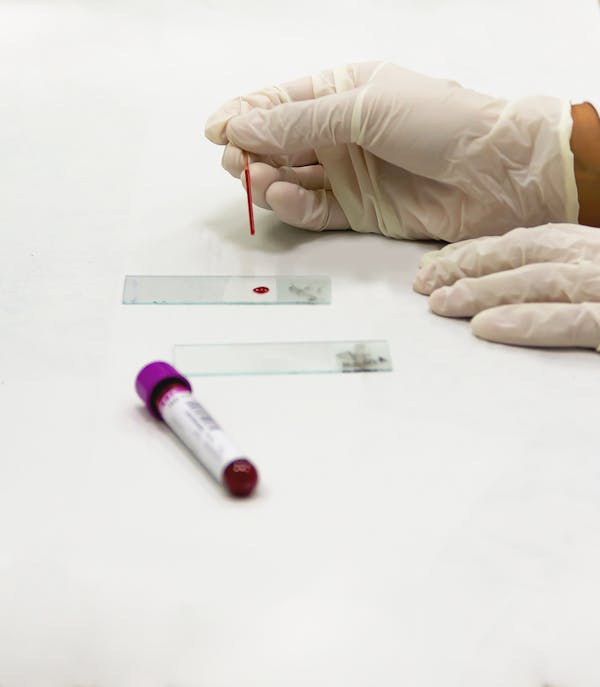
During your visit, the doctor will ask about your health and sexual history to determine which STI tests are appropriate. Different infections like Chlamydia, gonorrhoea, herpes, syphilis, and HIV require different testing approaches. Testing may include blood tests, urine tests, urethral or vaginal swabs, and gynecological exams.
What Happens Next
Results are provided as soon as possible. If no infections are found, continued protection through condom use and periodic screening is recommended. If an infection is identified, antibiotics are typically prescribed. You should avoid sexual contact until treatment is complete and inform sexual partners so they can also be tested and treated.
For a comprehensive package combining STD screening with gynaecological, fertility, and hormonal testing, see our Check-Up Packages.