
Skip to content
Heavy Periods (Menorrhagia)
Gynecology

Heavy Periods (Menorrhagia)

Heavy periods can significantly impact quality of life and may indicate an underlying condition requiring medical attention. Treatment can help to reduce blood loss and relieve other symptoms such as period pain. Menorrhagia accounts for approximately 30% of gynecological complaints.

Causes

Heavy periods can result from various gynecological conditions including uterine fibroids, endometriosis, polycystic ovaries, perimenopausal changes, dysfunctional uterine bleeding, polyps, pelvic infections, and in some cases, endometrial hyperplasia or cancer.

Symptoms

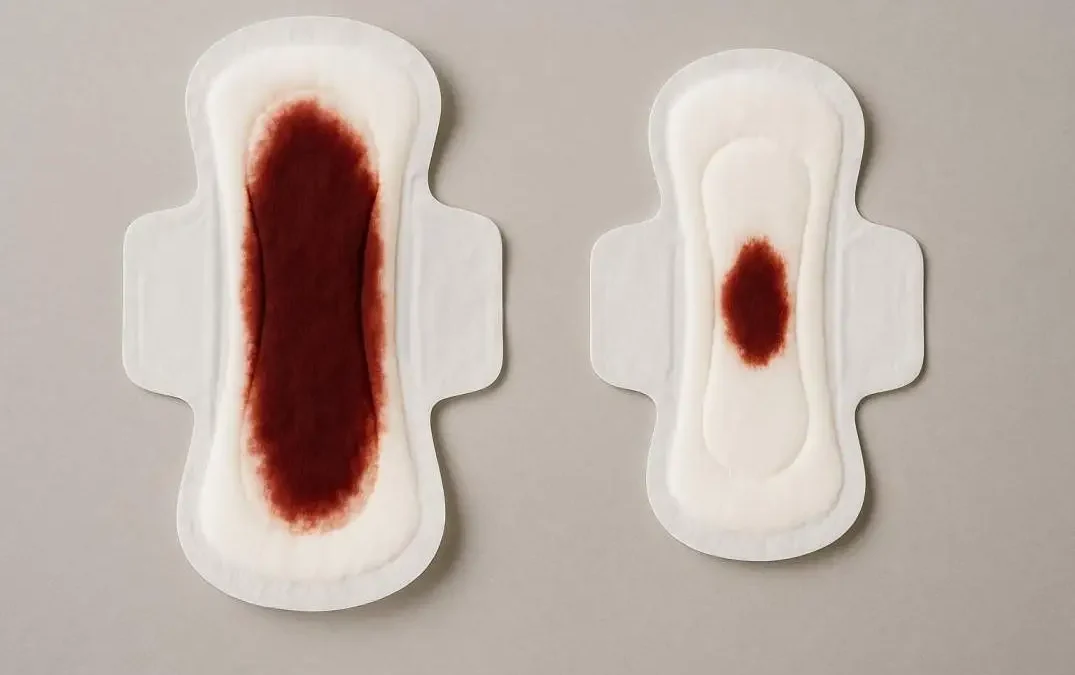
Signs include excessive tampon or pad usage, frequent leakage despite protection, needing dual protection simultaneously, and fatigue during menstruation. The average woman loses about 30 milliliters monthly; heavy periods involve losing more than double this amount.

Diagnosis

Diagnosis typically begins with symptom assessment and pelvic examination, followed by additional testing such as ultrasound imaging, gynecological swabs, hysteroscopy, and endometrial sampling to identify underlying causes.

Treatment Options

Treatment approaches include contraceptive pills, iron supplementation for anemia, Mirena IUCD devices, hysteroscopy, and surgical interventions. The clinic emphasizes individualized treatment planning based on patient circumstances and fertility considerations.

Explore More

Gynecology

Private PCOS Specialist Treatment

Polycystic ovary syndrome (PCOS) occurs when fluid-filled sacs form in the ovaries due to follicles failing to develop properly. The exact causes remain unclear but are often linked to elevated male hormone levels.

Learn More
Gynecology

Pelvic Infections

A pelvic infection affects the upper reproductive system, including the uterus, ovaries, and fallopian tubes. Untreated pelvic inflammatory disease (PID) can compromise fertility.

Learn More
Gynecology

Well Women’s Check-Up

The clinic provides extensive women's health services through its well women's office, addressing reproductive health, screening, and general wellness.

Learn More

Frequently Asked Questions

Common Questions

Clinically, menorrhagia is defined as losing more than 80ml per cycle u2014 but practically, it means periods that disrupt daily life: flooding, frequent pad or tampon changes, clots, or anaemia. If your periods significantly affect you, investigation is warranted.

Common causes include fibroids, polyps, adenomyosis, hormonal imbalances (especially with PCOS or perimenopause), thyroid disorders, blood clotting abnormalities, and u2014 less commonly u2014 uterine cancer. Accurate diagnosis guides treatment.

Options range from medical (hormonal coil, tranexamic acid, combined pill, progesterone) to surgical (hysteroscopic polyp or fibroid removal, endometrial ablation) depending on the underlying cause, severity, and your fertility plans.

The hormonal coil (Mirena/IUS) is one of the most effective treatments for heavy periods u2014 reducing blood loss by 80u201390% in most patients. It also provides contraception and can be removed at any time if pregnancy is desired.

Many patients are managed successfully with medication. Surgery is considered when medical treatment fails, when there is an underlying structural cause (fibroid, polyp), or when definitive treatment is preferred. Minimally invasive approaches are used wherever possible.

Book Your Appointment Today

We provide a comfortable environment where you can consult us with all your problems in the field of Obstetrics, Gynecology and IVF Treatment.

Book Now Chat on WhatsApp