
Skip to content
STD Screening
Gynecology

STD Screening

Sexually transmitted diseases or STDs can have a significant impact on your health and fertility if left untreated. However, they can be easily identified through STD screening, and most can be treated with a simple course of antibiotics.

Why Arrange an STD Screening?

Getting screened for STDs is recommended for anyone who is sexually active. Many STDs can remain hidden without causing symptoms, making testing the only reliable way to confirm your health status. Untreated STDs can cause serious problems, including infertility, though most sexually transmitted infections can be easily treated once detected.

You might want to arrange STD screening if you are sexually active (especially with unprotected sex), have noticed potential STD symptoms, are planning pregnancy, or are undergoing procedures like contraceptive coil insertion.

What to Expect

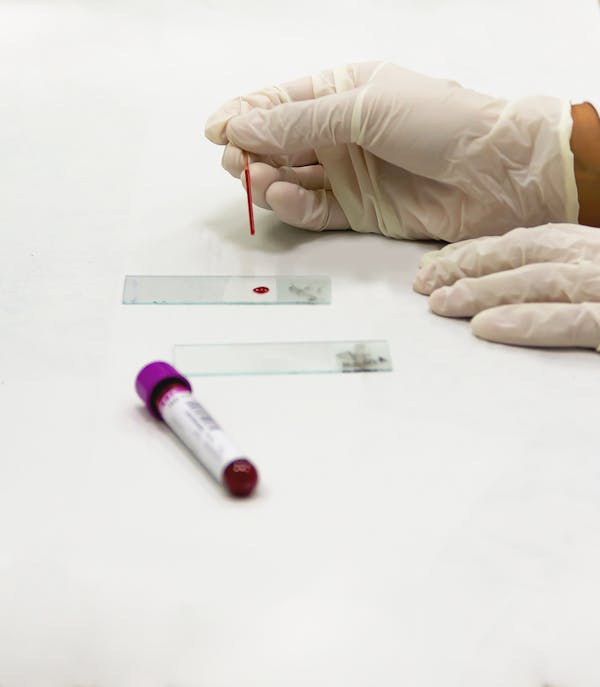
During your visit, the doctor will ask about your health and sexual history to determine which STI tests are appropriate. Different infections like Chlamydia, gonorrhoea, herpes, syphilis, and HIV require different testing approaches. Testing may include blood tests, urine tests, urethral or vaginal swabs, and gynecological exams.

What Happens Next

Results are provided as soon as possible. If no infections are found, continued protection through condom use and periodic screening is recommended. If an infection is identified, antibiotics are typically prescribed. You should avoid sexual contact until treatment is complete and inform sexual partners so they can also be tested and treated.

For a comprehensive package combining STD screening with gynaecological, fertility, and hormonal testing, see our Check-Up Packages.

Explore More

Gynecology

Women Coil Insertion

The contraceptive coil is one of the most reliable long-term contraception options, offering over 99% effectiveness with no daily management required.

Learn More
Gynecology

Hysteroscopy

A hysteroscopy is a procedure that uses a special camera to examine your uterus. The procedure typically requires less than thirty minutes.

Learn More

Frequently Asked Questions

Common Questions

A comprehensive panel covers Chlamydia, Gonorrhoea, Syphilis, HIV, Hepatitis B and C, Herpes simplex (HSV 1 & 2), Trichomonas, and HPV typing. The panel can be adjusted based on risk factors and clinical presentation.

No. Most STIs u2014 particularly Chlamydia u2014 often cause no symptoms in the early stages. Regular screening is recommended for sexually active individuals, especially with new or multiple partners. Early detection prevents long-term complications.

Testing involves a blood draw (for HIV, Hepatitis, Syphilis, HSV) and a cervical swab or urine sample (for Chlamydia, Gonorrhoea, HPV). Results are typically available within 3u20137 days and discussed confidentially.

Yes. All test results are handled with strict medical confidentiality. Our team discusses results sensitively and without judgement, and provides clear guidance on any necessary treatment or partner notification.

Most STIs are curable with antibiotics (bacterial infections) or manageable with medication (viral infections). Early treatment prevents complications. We provide a full treatment plan, including guidance on informing partners.

Book Your Appointment Today

We provide a comfortable environment where you can consult us with all your problems in the field of Obstetrics, Gynecology and IVF Treatment.

Book Now Chat on WhatsApp