
Skip to content
Ovarian Cysts Removal Surgery & Recovery
Gynecology

Ovarian Cysts Removal Surgery & Recovery

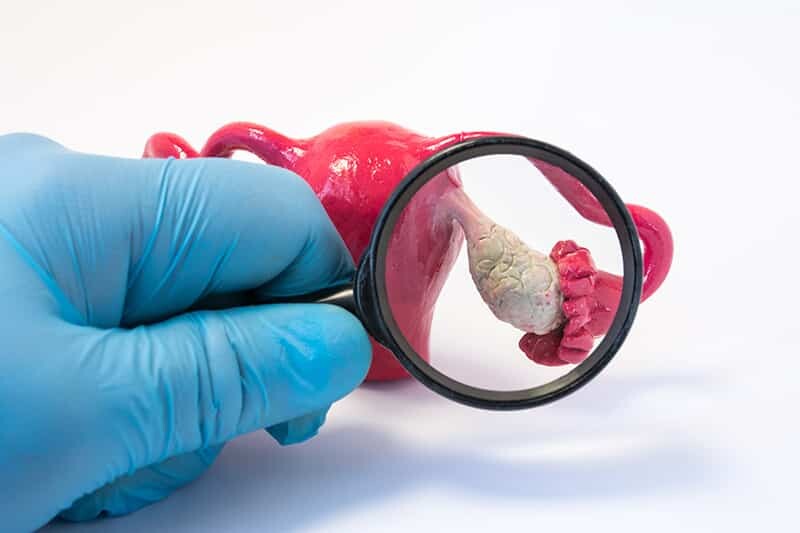
A cyst is a small, fluid-filled sac that can develop on your ovary. Although ovarian cysts are usually harmless, you may require treatment if cysts are causing pain or other symptoms.

What Causes Ovarian Cysts

Ovarian cysts come in two different forms. The most common type are functional ovarian cysts, which happen as part of the menstrual cycle as follicles prepare to release eggs for fertilisation. A follicle that doesn’t mature properly can swell and become a cyst. Functional cysts are usually harmless and disappear by themselves.

Pathological ovarian cysts happen when cells in the ovaries start to grow abnormally. Pathological cysts are rare, but there is a risk that they could become cancerous so they may need to be removed.

Symptoms of Ovarian Cysts

Most ovarian cysts are small and harmless. You might not know that you have a cyst unless it bursts or grows large enough to affect the blood supply to your ovaries. If this happens, you could experience pelvic pain, discomfort during sex, changes to menstrual cycles, bloating, increased urination frequency, or difficulty emptying bowels.

Diagnosing Ovarian Cysts

The gynaecologist may ask about symptoms, arrange an ultrasound scan to visualize cysts, and carry out a blood test to measure chemical levels. In rare cases, additional tests may be needed to exclude ovarian cancer.

Treatments for Ovarian Cysts

Treatment options include monitoring with regular ultrasounds if symptoms are absent, surgical removal for symptomatic or potentially cancerous cysts, and treatment of underlying conditions such as endometriosis or polycystic ovary syndrome.

Explore More

Gynecology

Gynecological Examination

Having a gynecological examination is a vital aspect of women's health maintenance. Regular checkups enable healthcare providers to identify and address potential health concerns promptly.

Learn More
Gynecology

Endometriosis Treatment

Endometriosis occurs when tissue resembling the uterine lining grows outside the womb. This condition can develop in the bowel, bladder, ovaries, and pelvic regions.

Learn More
Gynecology

Well Women’s Check-Up

The clinic provides extensive women's health services through its well women's office, addressing reproductive health, screening, and general wellness.

Learn More

Frequently Asked Questions

Common Questions

Common types include functional cysts (follicular, corpus luteum u2014 usually resolve without treatment), endometriomas (chocolate cysts from endometriosis), dermoid cysts (teratomas containing tissue like hair or skin), and cystadenomas. Polycystic-appearing ovaries are different and related to PCOS.

Surgery is considered when a cyst is large (typically above 5u20137cm), persists beyond 2u20133 months of monitoring, has features suspicious on ultrasound, causes significant symptoms (pain, pressure), or is associated with abnormal tumour markers.

Yes, in most cases. Laparoscopic cystectomy (keyhole removal) is the standard approach u2014 preserving normal ovarian tissue, reducing recovery time, and minimising scarring. Open surgery is reserved for large or complex cysts.

A carefully performed laparoscopic cystectomy preserves as much normal ovarian tissue as possible. For endometriomas, there is a small risk of reducing ovarian reserve u2014 this is weighed carefully against the benefit of treatment, particularly before IVF.

Most patients return home the same day or after one night. Light activities can be resumed within a week. Full recovery including return to exercise takes 2u20134 weeks. Wound sites are small and discomfort is typically manageable with standard painkillers.

Book Your Appointment Today

We provide a comfortable environment where you can consult us with all your problems in the field of Obstetrics, Gynecology and IVF Treatment.

Book Now Chat on WhatsApp