
Skip to content
ERPC - Evacuation of Retained Products of Conception
Gynecology

ERPC – Evacuation of Retained Products of Conception

Surgical management of miscarriage ensures complete removal of pregnancy tissue from the womb. Specialists offer experienced gynecological care and post-miscarriage support.

When ERPC is Needed

This procedure may be necessary when ultrasound confirms pregnancy loss but the body hasn’t begun natural miscarriage, when miscarriage is incomplete with retained tissue, when natural processes fail or are undesired, or when medical approaches prove ineffective.

Procedure Details

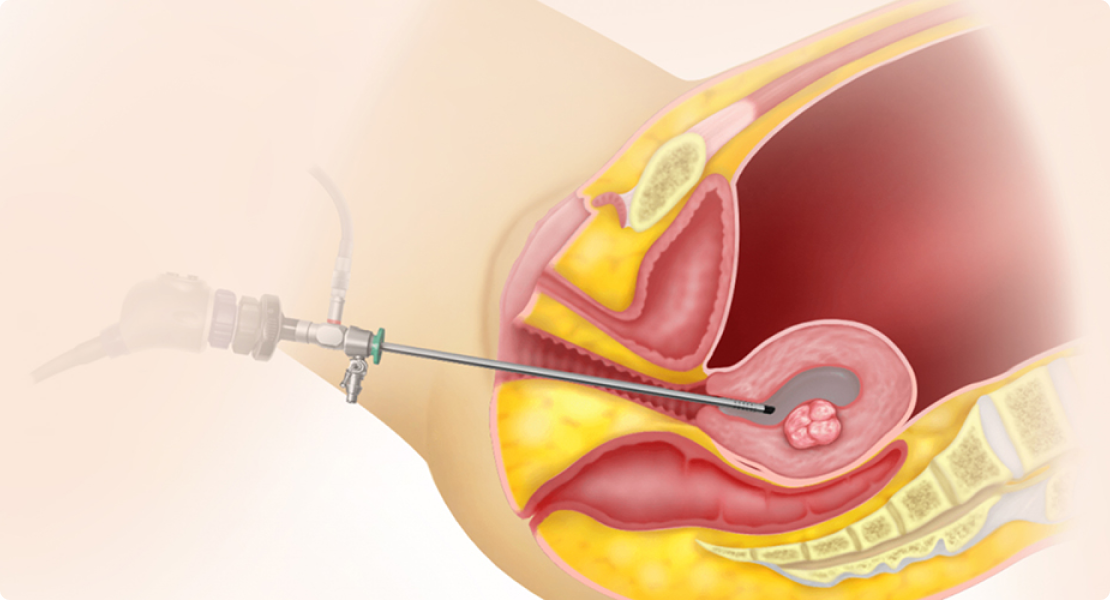
Patients receive general anesthesia before the 15-minute procedure. A speculum opens the vagina, the cervix is dilated, and specialized instruments carefully extract pregnancy tissue. Suction may assist in clearing remaining material.

Recovery Process

Patients experience drowsiness upon waking and may have cramping and bleeding. Hospital observation lasts at least two hours. Someone must arrange transportation due to anesthesia effects. Light activity resumes after one week, with normal routine resuming as tolerated.

Potential Risks

Complications include heavy bleeding, infection, uterine or cervical damage, incomplete tissue removal requiring repeat procedures, and allergic reactions to anesthesia. Though rare, specialists ensure patients understand these risks fully.

Explore More

Gynecology

Menopause Specialist

Menopause is a natural biological transition, defined as when menstrual periods stop permanently. It typically occurs between ages 49-52.

Learn More
Gynecology

STD Screening

Sexually transmitted diseases or STDs can have a significant impact on your health and fertility if left untreated. They can be easily identified through STD screening.

Learn More

Frequently Asked Questions

Common Questions

ERPC (Evacuation of Retained Products of Conception) is a surgical procedure to remove pregnancy tissue remaining in the uterus after a miscarriage, incomplete abortion, or delivery. It is performed to prevent infection and excessive bleeding.

Not always. A 'missed' or incomplete miscarriage may be managed expectantly (waiting for natural passage), medically (misoprostol to stimulate expulsion), or surgically with ERPC. The right approach depends on clinical findings, symptoms, patient preference, and urgency.

Under general or sedation anaesthesia, the cervix is gently dilated and the uterine contents removed using suction or gentle curettage. The procedure takes approximately 10u201320 minutes. Most patients are discharged the same day.

Most women have their next period within 4u20136 weeks of the procedure. Fertility returns promptly u2014 many healthcare providers advise waiting one natural cycle before trying to conceive again, primarily for emotional readiness and to assist with dating a subsequent pregnancy.

ERPC is a routine, low-risk procedure. Uncommon complications include infection (prevented by antibiotic prophylaxis), heavy bleeding, and very rarely uterine perforation. Asherman's syndrome (intrauterine adhesions) is a rare long-term risk managed with appropriate technique.

Book Your Appointment Today

We provide a comfortable environment where you can consult us with all your problems in the field of Obstetrics, Gynecology and IVF Treatment.

Book Now Chat on WhatsApp